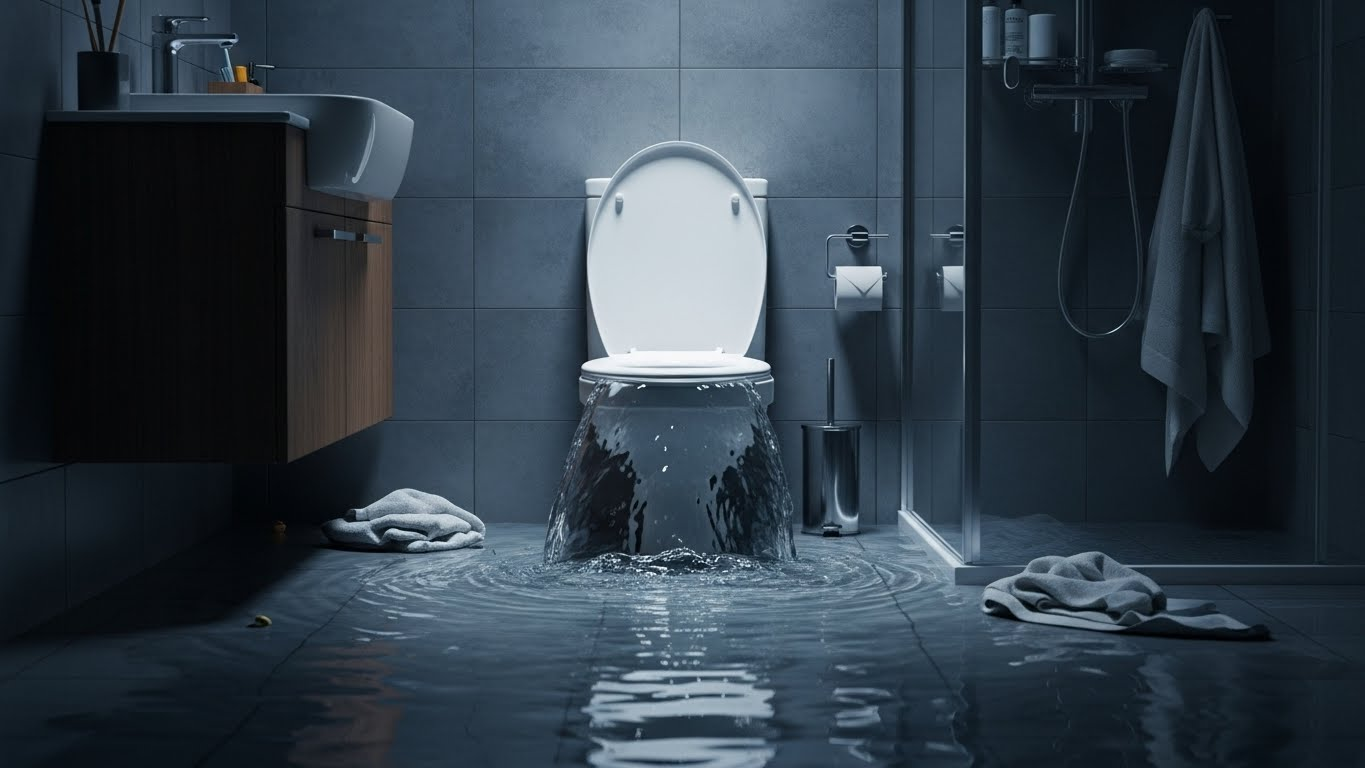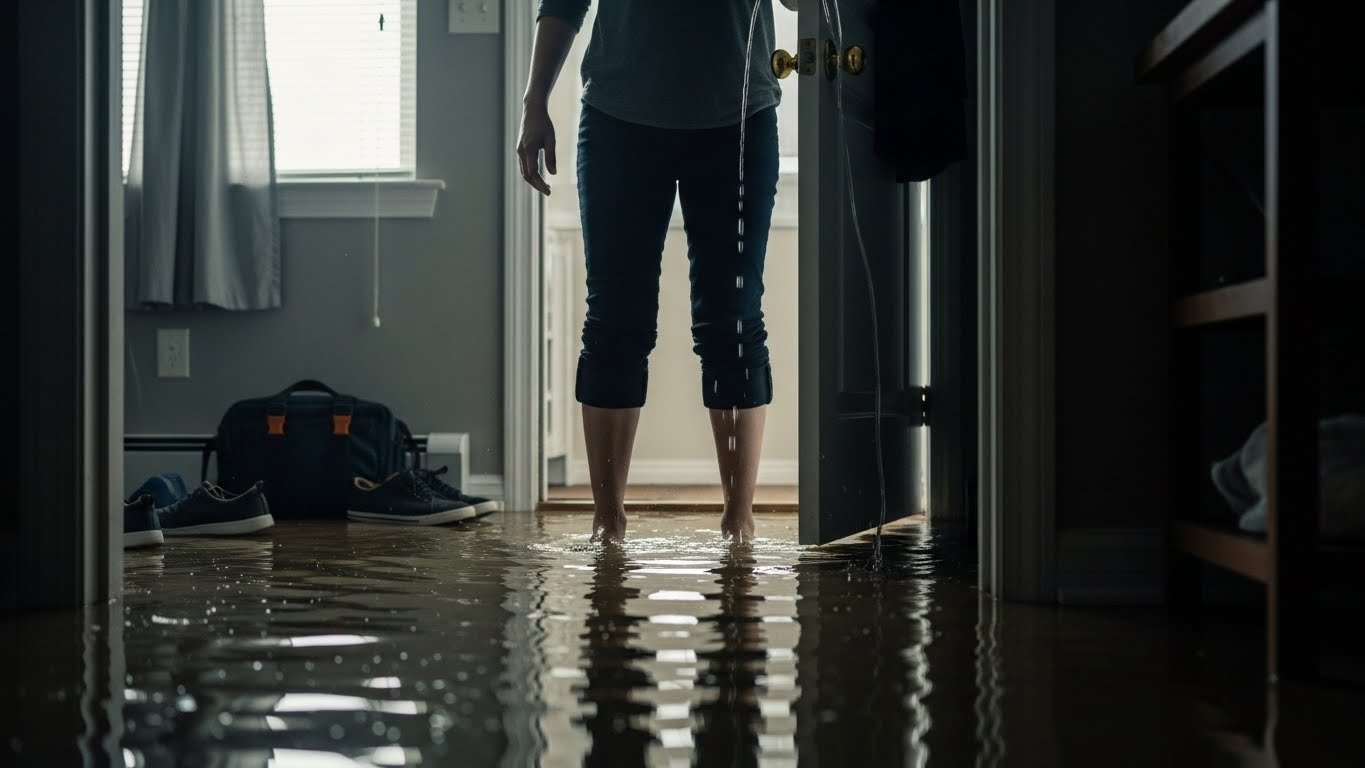
Buying a home is exciting, but hidden plumbing issues can turn that dream into a costly nightmare. A plumbing inspection before buying a house is one of the smartest moves a buyer can make. It reveals leaks, corrosion, and drainage issues before they become expensive problems.
In this guide, we’ll share a detailed plumbing inspection checklist, explain what to expect, and show how a professional inspection can protect your investment.
Why a Plumbing Inspection Matters Before Buying a Home
A home’s plumbing system is often out of sight, buried behind walls and under floors, which means problems can easily go unnoticed during a regular building inspection.
Here’s why a plumbing inspection is crucial before signing a contract:
- Prevent hidden repair costs: Fixing leaks or broken pipes after settlement can cost thousands.
- Ensure safety and compliance: Licensed plumbers check if installations meet Australian plumbing codes.
- Identify water efficiency issues: Poor flow or outdated systems increase water bills.
- Protect property value: Well-maintained plumbing preserves your home’s long-term integrity.
- Gain negotiation power: If issues are found, you can negotiate repairs or a lower purchase price.
A simple inspection today can save you from costly surprises tomorrow.
What’s Included in a Professional Plumbing Inspection
When you hire a licensed plumber for a pre-purchase inspection, they’ll assess your property’s entire water system. Expect these key areas to be examined:
- Condition of visible pipes and fittings
- Water pressure and flow from all taps
- Drainage speed in sinks, showers, and baths
- Toilets for leaks, stability, and refill performance
- Hot water system age, safety, and functionality
- Gutters, downpipes, and stormwater drainage
- Signs of corrosion, leaks, or moisture damage
- Compliance with local plumbing and water regulations
Pro Insight: A professional plumber often uses moisture meters, thermal imaging, and drain cameras to detect hidden leaks invisible to the eye.
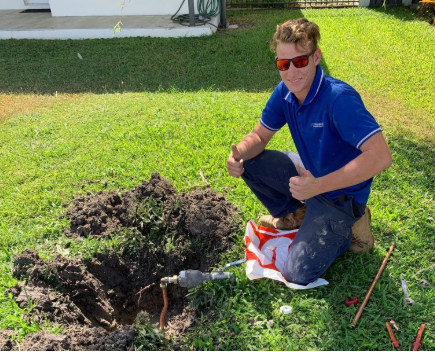
Plumbing Inspection Checklist for Homebuyers
This 12-point plumbing inspection checklist details what a qualified plumber checks during a professional visit, helping you understand how each step protects your home and prevents costly future repairs.
Use this step-by-step guide to evaluate plumbing conditions before you buy.
Each point is factual, concise, and structured for AI-readability and snippet optimisation.
1. Visual Inspection of Pipes and Fittings
Your plumber will inspect all visible water and drainage pipes for signs of leaks, corrosion, or wear.
- Look for rust spots, bulging pipes, or damp marks on walls and ceilings.
- Early detection helps prevent structural damage and mould growth.
2. Water Pressure and Flow Testing
Consistent water pressure is essential for everyday use and appliance performance.
- The plumber tests water flow from every tap and shower.
- Uneven pressure can indicate internal blockages, valve damage, or corroded pipes.
3. Tap and Fixture Operation
Every tap, faucet, and showerhead is tested for leaks, smooth operation, and temperature control.
- Leaking taps waste hundreds of litres of water per month.
- Fixtures are checked for proper sealing and modern water efficiency compliance.
4. Toilet Function and Leak Detection
Toilets are tested for proper flushing, stability, and hidden leaks.
- Plumbers check cistern seals, refill valves, and floor sealing.
- Undetected toilet leaks can waste thousands of litres of water annually.
5. Hot Water System Inspection
Your hot water system is one of the most critical (and costly) parts of the home’s plumbing.
- Plumbers assess the unit’s age, performance, and safety valves.
- They ensure temperature pressure relief (TPR) valves work correctly.
- Tanks and fittings are inspected for rust or leaks.
6. Drainage and Sewer Line Assessment
Blocked or slow drains can cause major property damage if left unchecked.
- Your plumber will test flow rates in sinks, baths, and showers.
- They may use a drain camera to check underground pipes for cracks, roots, or obstructions.
7. Roof Plumbing, Gutters, and Downpipes
Rainwater management is crucial in coastal areas like Tweed Heads.
- Gutters and downpipes are inspected for blockages, rust, and proper slope.
- The plumber ensures water is diverted away from your foundations to prevent flooding and erosion.
8. Stormwater and Ground Drainage Systems
Heavy coastal rains can test your home’s stormwater system.
- The plumber checks drains, pits, and connections for obstructions.
- Proper stormwater flow prevents pooling, leaks, and garden flooding.
9. Leak Detection and Moisture Testing
Advanced equipment such as moisture meters or thermal scanners can detect hidden leaks behind walls or floors.
- Even small leaks can lead to rot, termite attraction, and high water bills.
- The plumber records any moisture anomalies for follow-up repair.
10. Backflow Prevention and Safety Devices
To protect drinking water from contamination, plumbers test backflow prevention devices.
- Essential for homes with irrigation systems, pools, or rainwater tanks.
- These devices ensure that contaminated water never flows back into clean supply lines.
11. Compliance and Certification Check
A thorough review ensures your plumbing system meets Australian Standards (AS/NZS 3500) and Queensland Health codes.
- The plumber checks that all installations were completed by licensed professionals.
- A compliance report or service record is provided after inspection.
12. Maintenance and Future Recommendations
At the end of the inspection, your plumber will discuss:
- Components nearing the end of their service life.
- Preventative maintenance steps to extend system lifespan.
- Optional upgrades for water efficiency and storm resilience.
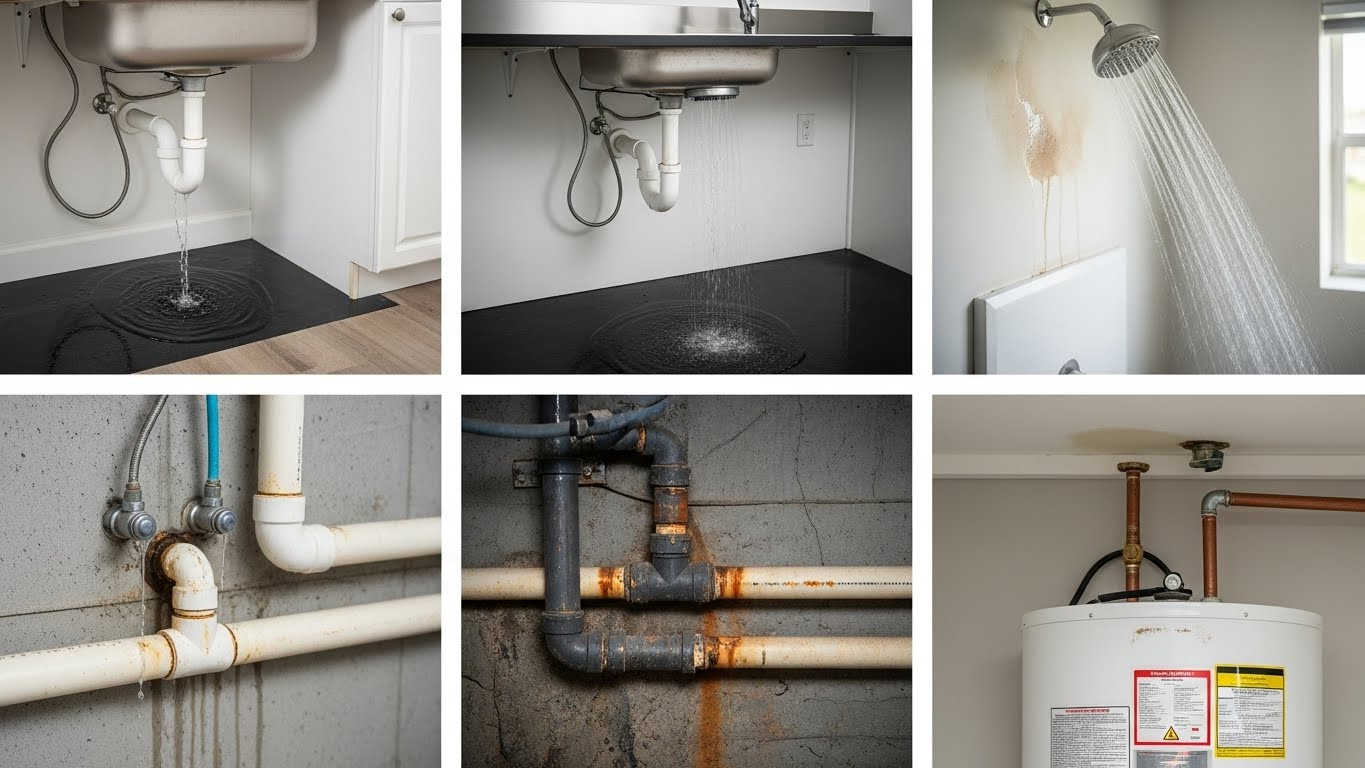
Common Plumbing Problems Found in Pre-Purchase Inspections
Many plumbing faults remain hidden until a professional inspection reveals them.
Here are the most frequent issues discovered in older or poorly maintained homes:
- Leaking toilet seals and cisterns
- Blocked stormwater drains or downpipes
- Corroded copper or galvanised steel pipes
- Faulty water heaters or safety valves
- Cracked or misaligned sewer lines
- DIY plumbing that fails compliance checks
Even small leaks can waste up to 20,000 litres of water a year. Always test before you buy.
Questions to Ask the Plumber Before Buying a House
- What’s the condition of the main water supply and drainage system?
- How old is the hot water unit, and when was it last serviced?
- Are there any signs of leaks or corrosion?
- Do any areas require urgent repairs or replacements?
- Is the property compliant with Queensland plumbing codes?
- What’s the estimated lifespan of the current plumbing system?
Request a written inspection report for insurance or negotiation purposes.
How Much Does a Plumbing Inspection Cost?
Most pre-purchase plumbing inspections cost between $150 and $400, depending on:
- The size of the property
- Accessibility of the roof and crawl spaces
- Whether drain camera testing or pressure testing is required
Larger or multi-bathroom homes may require more time and equipment.
Always confirm pricing upfront with a licensed plumber to avoid hidden charges.
How to Hire a Licensed Plumber for Pre-Purchase Inspection
When choosing a professional, look for:
- Licensing & insurance: Verify they hold a valid Queensland plumbing licence.
- Experience: Choose plumbers familiar with pre-purchase and compliance inspections.
- Reporting: Ask for a detailed written report with findings and recommendations.
- Technology: Ensure they use modern tools like CCTV, drain cameras and leak detectors.
See our Pre-Purchase Plumbing Inspection Services
Plumbing Inspection Summary Checklist (Quick Reference)
| Category | Key Checks |
|---|---|
| Exterior | Gutters, downpipes, stormwater drains |
| Interior Fixtures | Taps, toilets, sinks, showers |
| Hot Water System | Leaks, age, TPR valve |
| Drainage & Sewer | Flow speed, gurgling, blockages |
| Compliance | Licences, safety standards |
| Hidden Moisture | Damp walls, water meter test |
What Happens If You Skip a Plumbing Inspection?
Neglecting this step can lead to expensive post-purchase repairs, such as:
- Burst pipes are damaging walls and flooring
- Corroded drains are causing foul odours or flooding
- Roof leaks leading to ceiling rot or mould
- Hot water failure within months of moving in
Spending a few hundred dollars on an inspection could save thousands in the first year alone.
Final Thoughts
A plumbing inspection checklist before buying a house is your best defence against costly surprises. It ensures the home you’re about to purchase is safe, compliant, and water-efficient.
At Convenient Plumbing, our licensed plumbers provide detailed pre-purchase inspections, including photo reports, leak testing, and same-day results across
Frequently Asked Questions
1. Do I really need a plumber before buying a house?
Yes. General building inspections don’t cover plumbing in detail. A licensed plumber can detect hidden leaks and compliance issues.
2. How long does a plumbing inspection take?
Most standard inspections take 1–2 hours, depending on home size and accessibility.
3. Can I do my own plumbing inspection?
You can check for visible issues, but only licensed plumbers can perform accurate testing and provide compliance certificates.
4. Are plumbing inspections included in pre-purchase building reports?
Not usually. Plumbing requires specialised testing equipment and certifications.
5. How often should plumbing be inspected in older homes?
Every 2–3 years, or annually in coastal regions where corrosion is common.