
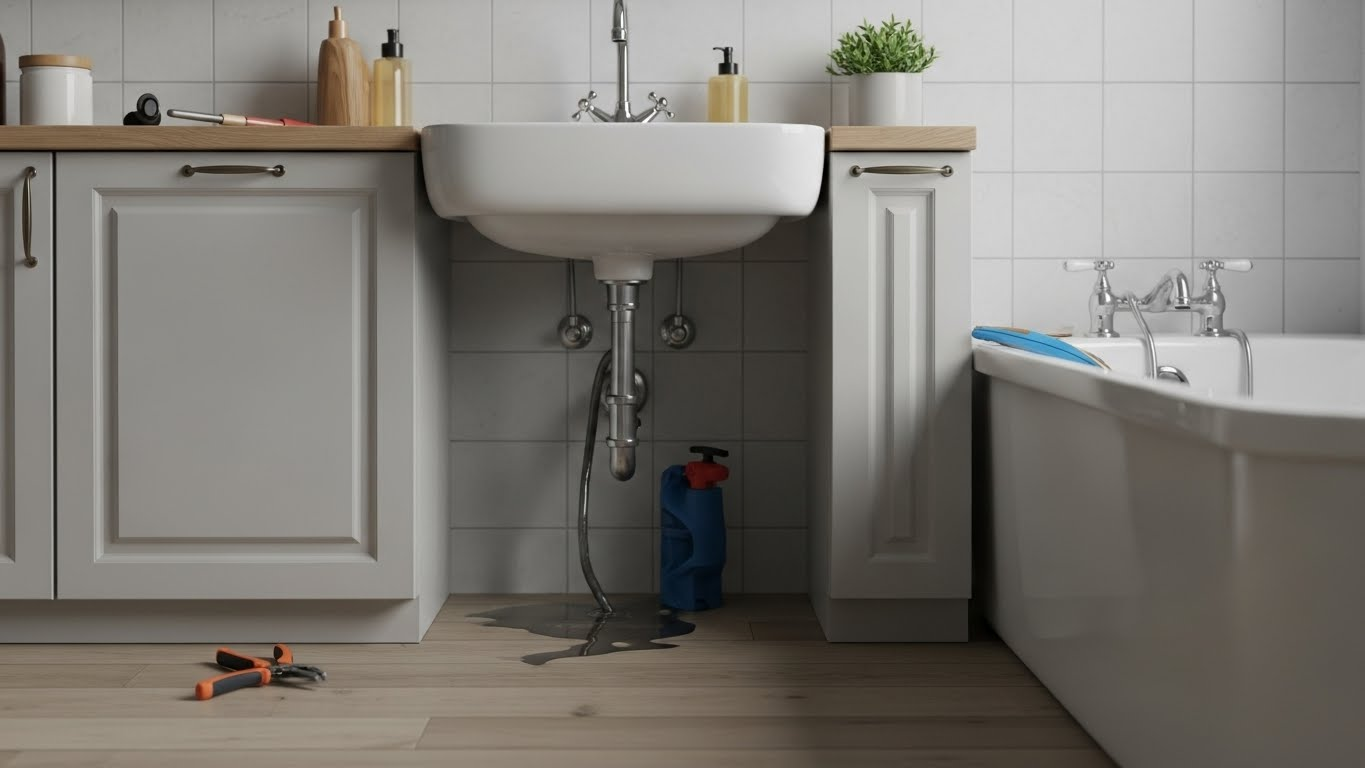
Picture this - you’re ankle-deep in murky water, late for work, and wondering who’s footing the bill. Drain blockages can stir up more confusion than the water itself, especially when lease agreements are vague.
Some clogs sneak up slowly while others erupt overnight - either way, sorting blame adds pressure. Between tenancy agreements, habits, and property age, figuring out responsibility isn’t always clear-cut.
Whether managing rentals or your forever home, drain dramas can disrupt everything. At
Convenient Plumbing we help Townsville locals handle it fast - no mess, no runaround, just honest, expert advice you can trust.
Determining Responsibility for Clogged Drains
Drain drama strikes when you least expect it, usually when you're already running late or guests are on the way. Sorting out who pays to fix it adds another layer of stress. Whether you're renting a unit or managing properties, knowing the rules helps avoid finger-pointing later. Let's clear up the mess around responsibilities - clog by clog.
1. How tenancy agreements influence drain responsibilities
Lease agreements often hold the key to resolving drain disputes before they start. Many contain clauses that explain who maintains what. If it’s silent, state tenancy laws usually make the owner deal with general wear, while tenants handle minor upkeep. Always review the fine print so no surprises pop up mid-leak, especially if your lease includes odd plumbing terms.
2. When landlords are responsible for clogged drains
Landlords wear the hat for deeper or pre-existing plumbing problems. If clogged drains are caused by damaged pipes, outdated plumbing, or blockage in a shared main line, then it’s on the owner. This includes root invasion or blockages in multiple fixtures.
3. When tenants are responsible for clogged drains
Grease in kitchen sinks, hair-covered bathroom drains or flushing wipes instead of toilet paper - those issues are nearly always tenant-triggered. If renters skip basic cleaning or misuse pipes, they may be liable.
Regular care, such as avoiding food scraps or sanitary items down the drains, keeps things flowing and relationships smooth with property managers.
Common Causes and Signs of Drain Clogs
Many clogs begin as tiny nuisances and grow into full-on plumbing headaches. Knowing what causes them and recognising the early signs gives you a fighting chance to fix it before it floods. Around Townsville, we've handled all kinds - some caused by neglect, others from age and nature doing their thing underground.
Most frequent sources of drain blockages
Hair tangles, thick grease, and debris like food or hygiene products are everyday blockers. Then there’s the rare but crafty opponent - tree roots. They sneak into ageing pipes, especially in older properties. Over time, wear and weather take their toll, making even the sturdiest drains vulnerable. Regular eye on what goes down helps prevent clogs altogether.
Recognising when a clog needs attention
Expect trouble if your drain starts gurgling like a teapot or your sink fills up for no reason. Foul smells, slowing water, or backups in more than one spot mean the issue is bigger than gunk near the rim. Early detection has helped many of our clients dodge emergency bills.
Legal Implications and Repairs Process
Drain issues aren’t just annoying - they can lead to disputes and even court visits if left unresolved. Whether you rent out five homes in the West End or just moved into a flat in Rowes Bay, knowing your legal position helps you respond swiftly and confidently.
1. Responsibilities under Australian tenancy law
By law, landlords handle structural maintenance while tenants look after everyday use. If there's an emergency like water damage from a blocked drain, landlords usually pay unless misuse caused it. Proving who caused it becomes the main point in resolving any conflict, especially if repairs were urgent and costly.
2. Providing evidence in disputes over responsibility
Keep digital logs of conversations, photos before and after tenancy, and inspection reports. This documentation protects all parties. We’ve seen quick resolutions happen simply because someone had a time-stamped photo of a clear drain at move-in. It speeds up insurance processes and keeps everyone honest.
3. Costs and repair service arrangements
If we find the problem stems from poor design or old piping, landlords cover repair costs - including plumbers like us. If it’s due to tenant actions, then we invoice property managers or tenants directly. Emergency callouts usually cost more, so early reporting is always cheaper for both sides.
Steps to Prevent Future Drain Issues
One of the easiest ways to avoid drain arguments is through prevention. A few mindful routines by tenants and robust checks by landlords make all the difference. We've seen how small, consistent habits keep plumbing stress-free across homes and units like Hyde Park and all the way to Elliott Springs.
Best practices for tenants
Make it routine to pour boiling water down the sink weekly. Avoid letting hair, oil or paint go down the drain. Use drain strainers, clean plugs regularly, and flush only toilet paper. These tiny acts protect your bond and save the headache of calling emergency services.
Proactive behaviour for landlords
Schedule plumbing checks yearly, even for new homes. Have experienced professionals like us do CCTV inspections if drains are slow. Confirm all plumbing meets code standards and reconsider old systems that cause recurring issues. Staying ahead keeps tenants happy and avoids stress between lease renewals.
Communication and Dispute Resolution
A blocked drain shouldn't crack the landlord-tenant relationship. Keeping communication open and transparent stops small leaks from becoming major rifts. Our clients appreciate how swift and honest dialogue helps find solutions fast - sometimes even before a plumber stops by.
Keeping a record of all maintenance issues
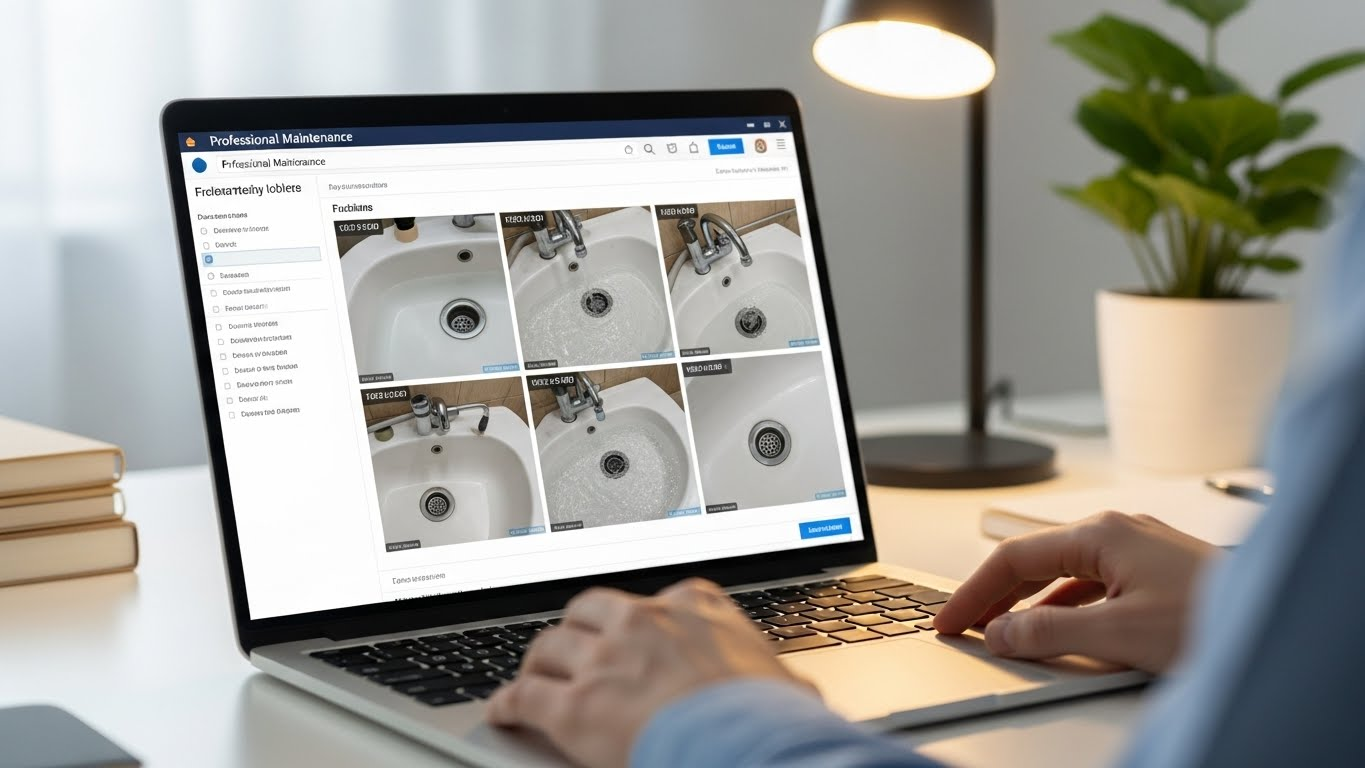
Note down each time you report a drain issue, no matter how minor. Using email or maintenance portals adds timestamps. Include pictures when possible. This trail supports fair decisions and holds either side accountable during disputes over neglect or usage.
Legal avenues for unresolved problems
When chats stall, mediation through your local tenancy authority is a smart next step. Each state and territory offers services to resolve disputes before they reach court. But if things escalate, you may need to file a claim through small claims court with all your evidence ready.
FAQs
1. Who usually pays for a blocked drain in Australian rentals?
If caused by worn pipes or faulty design, the landlord pays. If it’s tenant misuse, then costs fall to the renter.
2. Can a landlord charge a tenant for unclogging a shower drain?
Yes, especially if evidence shows hair buildup or misuse that should have been prevented by regular cleaning.
3. What if the blockage happened before I moved in?
You aren’t liable as long as you reported it early. Move-in inspections or date-stamped photos help prove this.
4. Are tenants allowed to use tools like a drain snake themselves?
Yes, but use it carefully. Damaging pipes or causing leaks may make you responsible for extra repairs.
5. What drainage issues fall under landlord insurance coverage?
Damage from tree roots, burst mains, or underground faults often fall under landlord policies - but always check the insurer’s terms.
Clogged Drains Always Show Up at the Worst Time
It often feels like clogged drains pick the most inconvenient moment to strike - leaving you guessing who’s meant to fix it. But after all the back and forth, the answer usually depends on one simple thing: what caused the blockage in the first place.
If it's daily use wear or old pipes, the landlord’s got to step in. But if it’s something stuffed down the drain that shouldn’t have been there, the tenant’s likely footing the bill. It comes down to being fair and looking at the facts.
At
Convenient Plumbing Services, we’ve helped sort hundreds of drain issues across Townsville. We’ll pinpoint the cause and get things flowing fast - just give us a ring today.